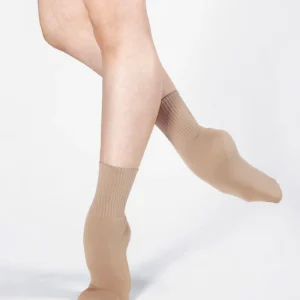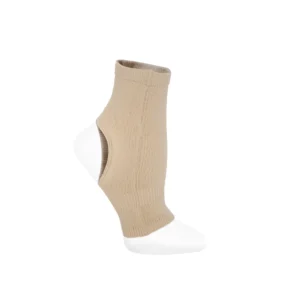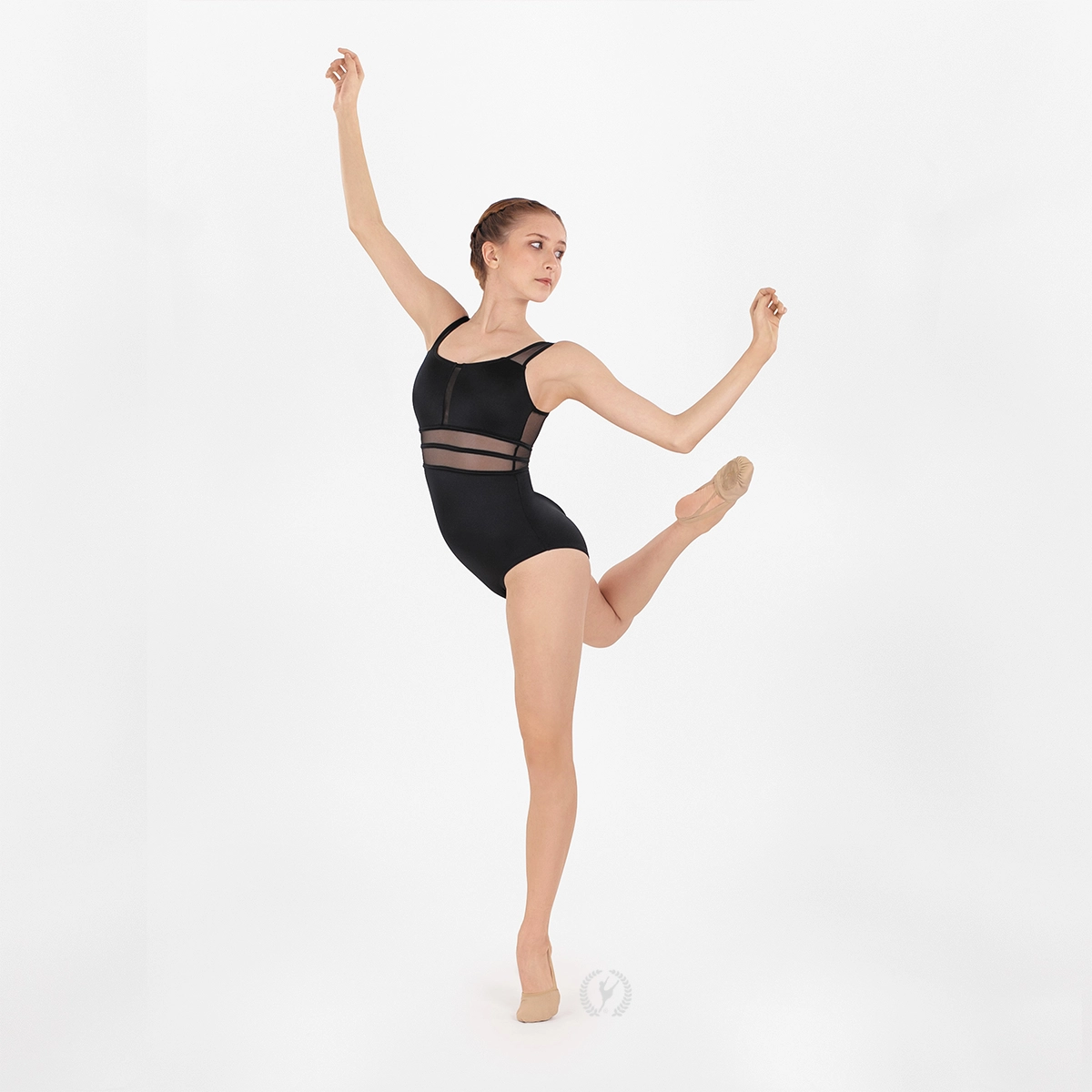

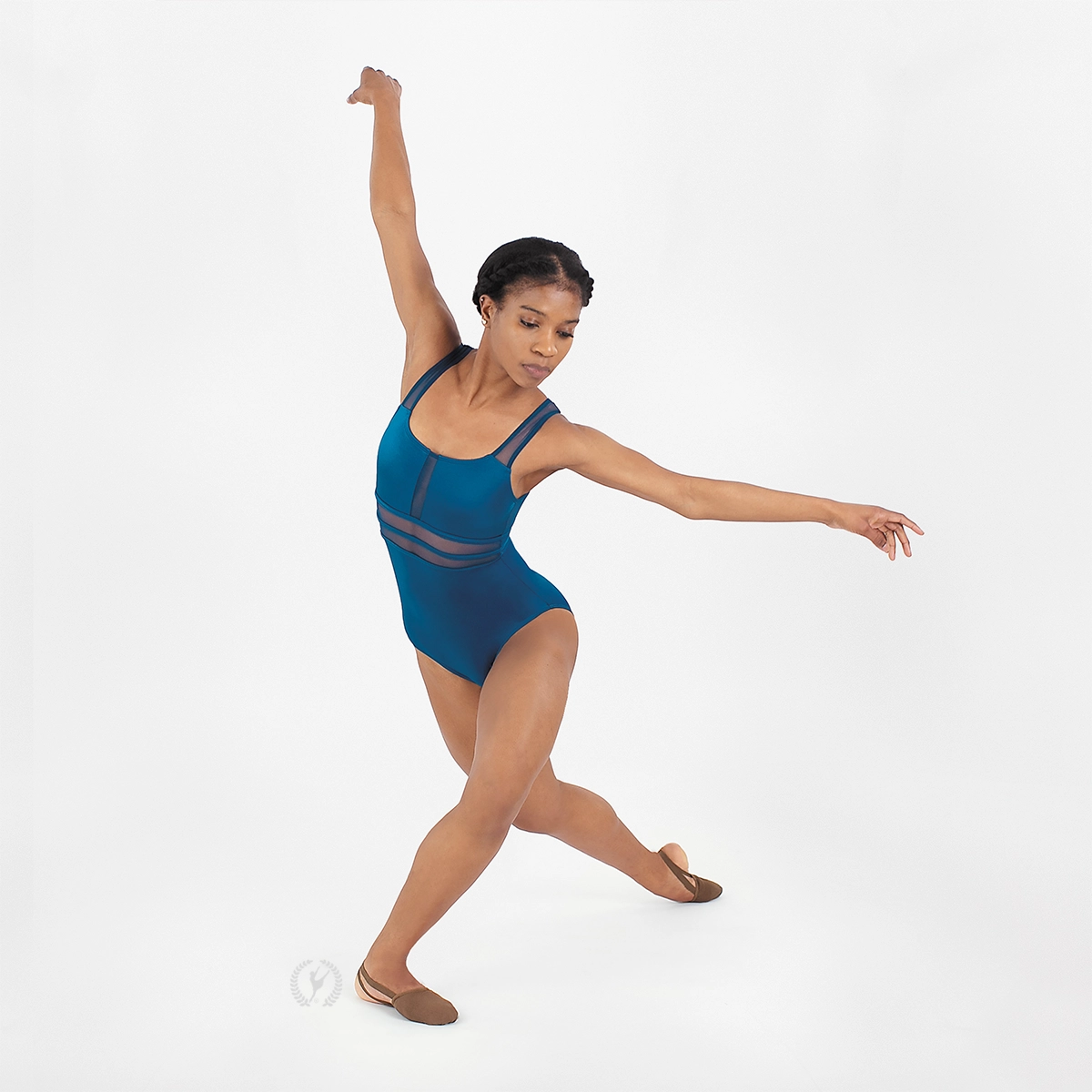

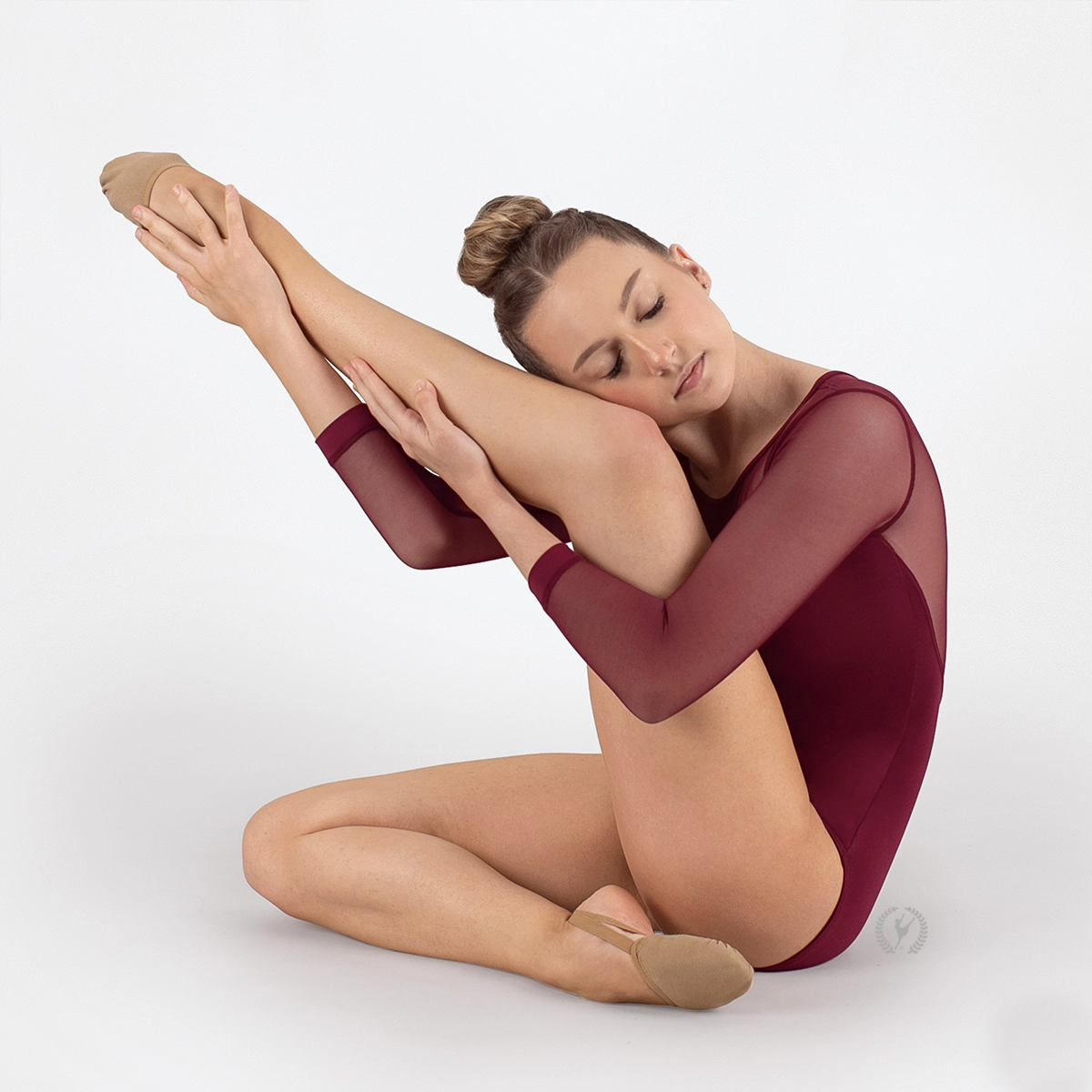




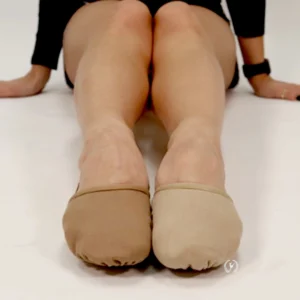

Eurotard Tilt Canvas Half Sole Contemporary Shoe (A1062)
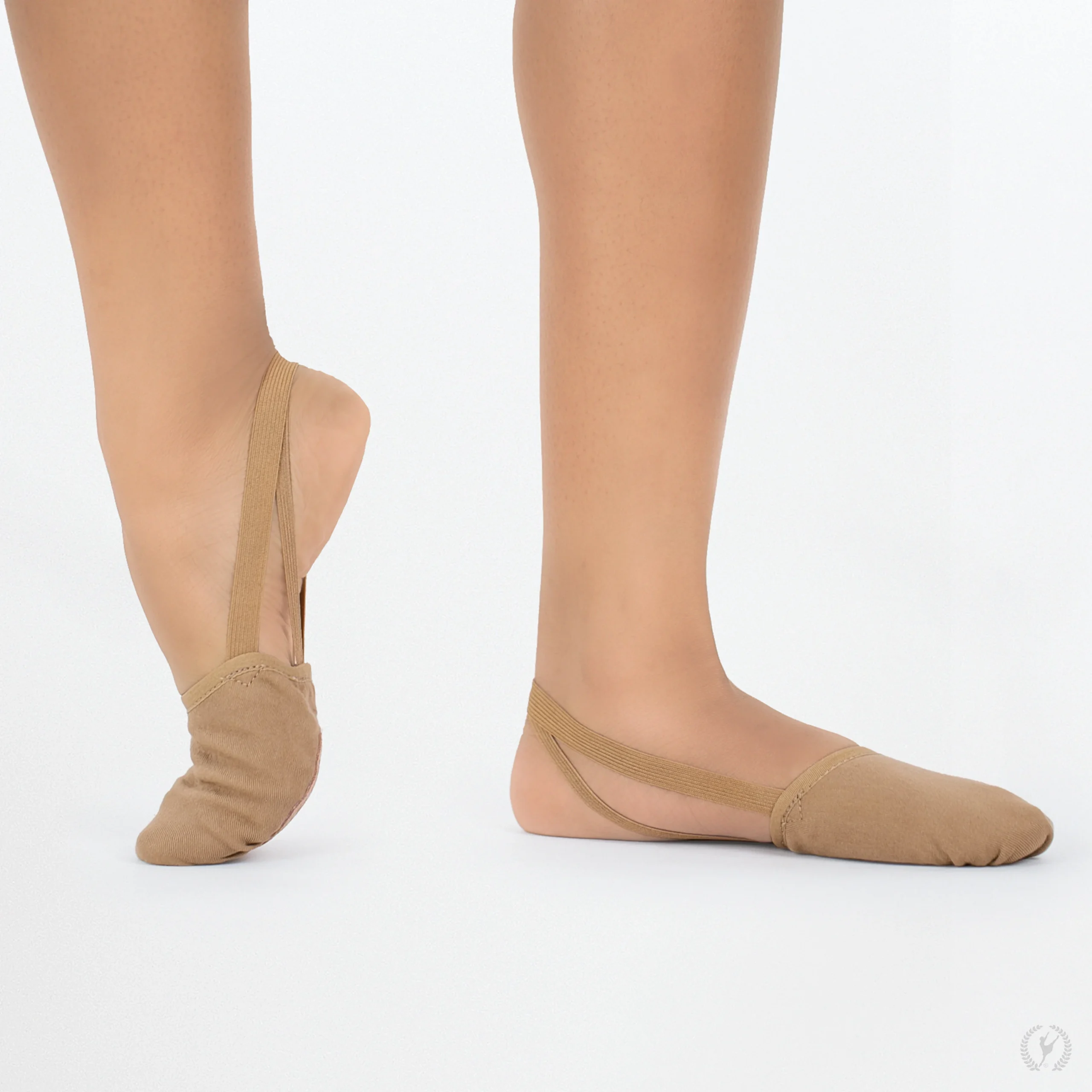
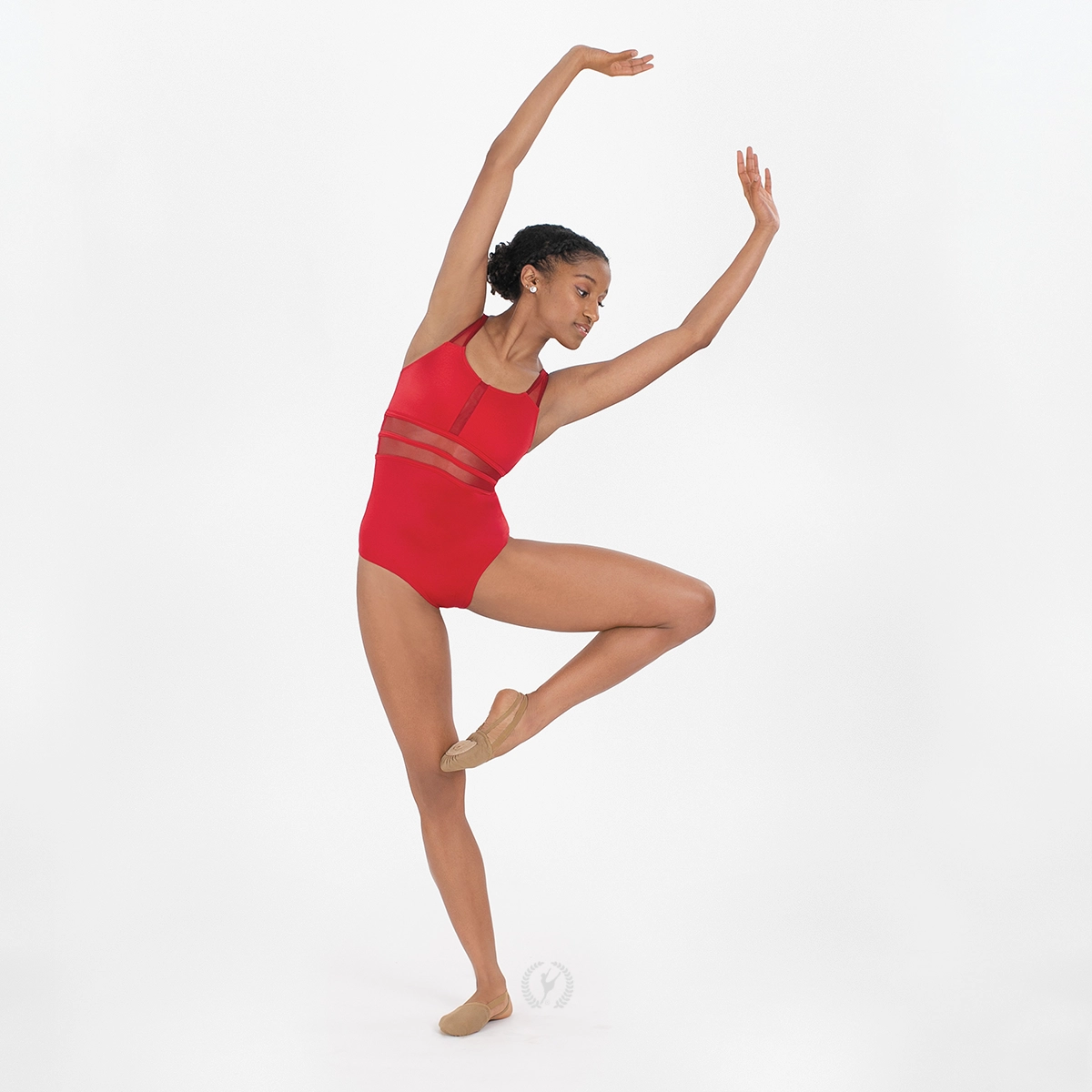
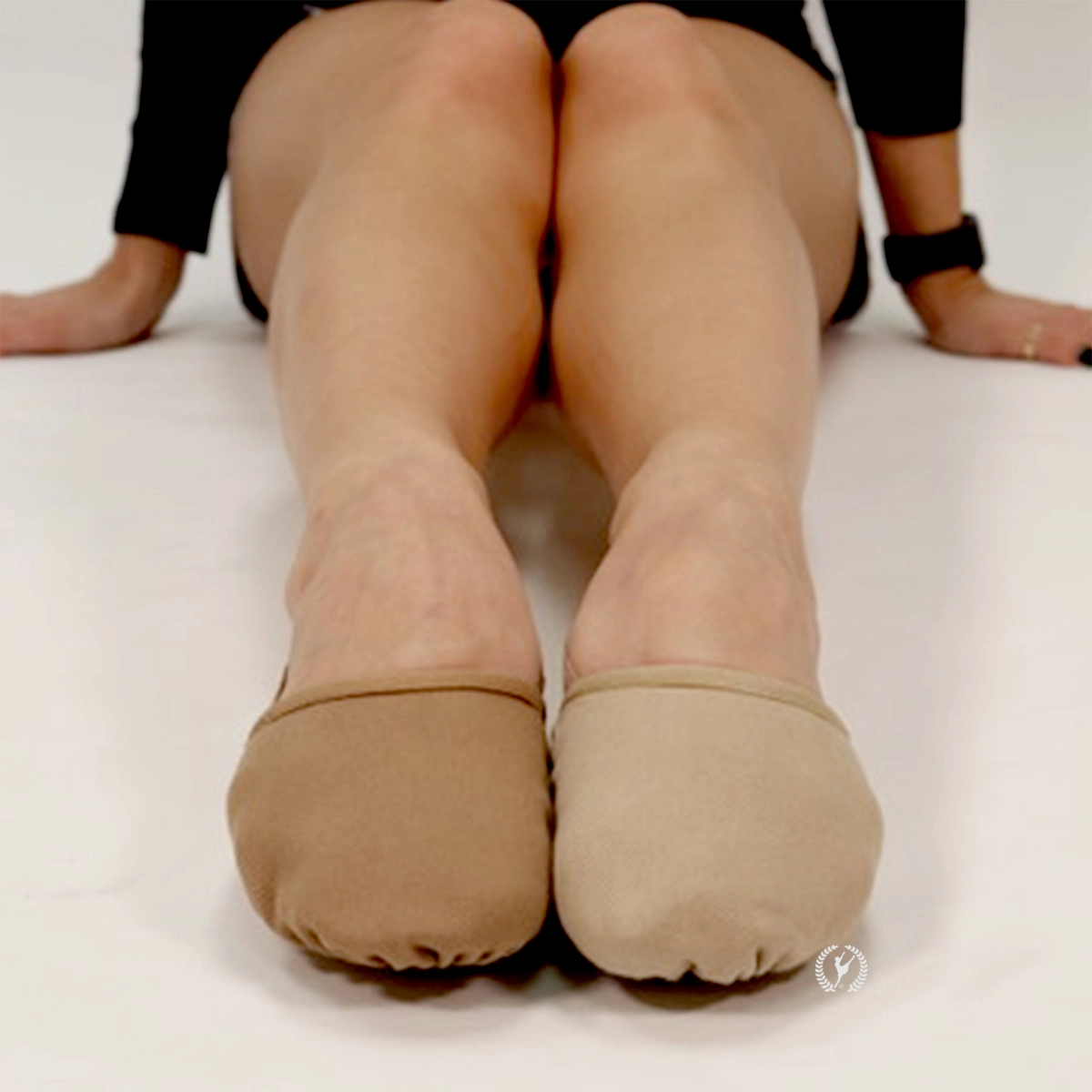
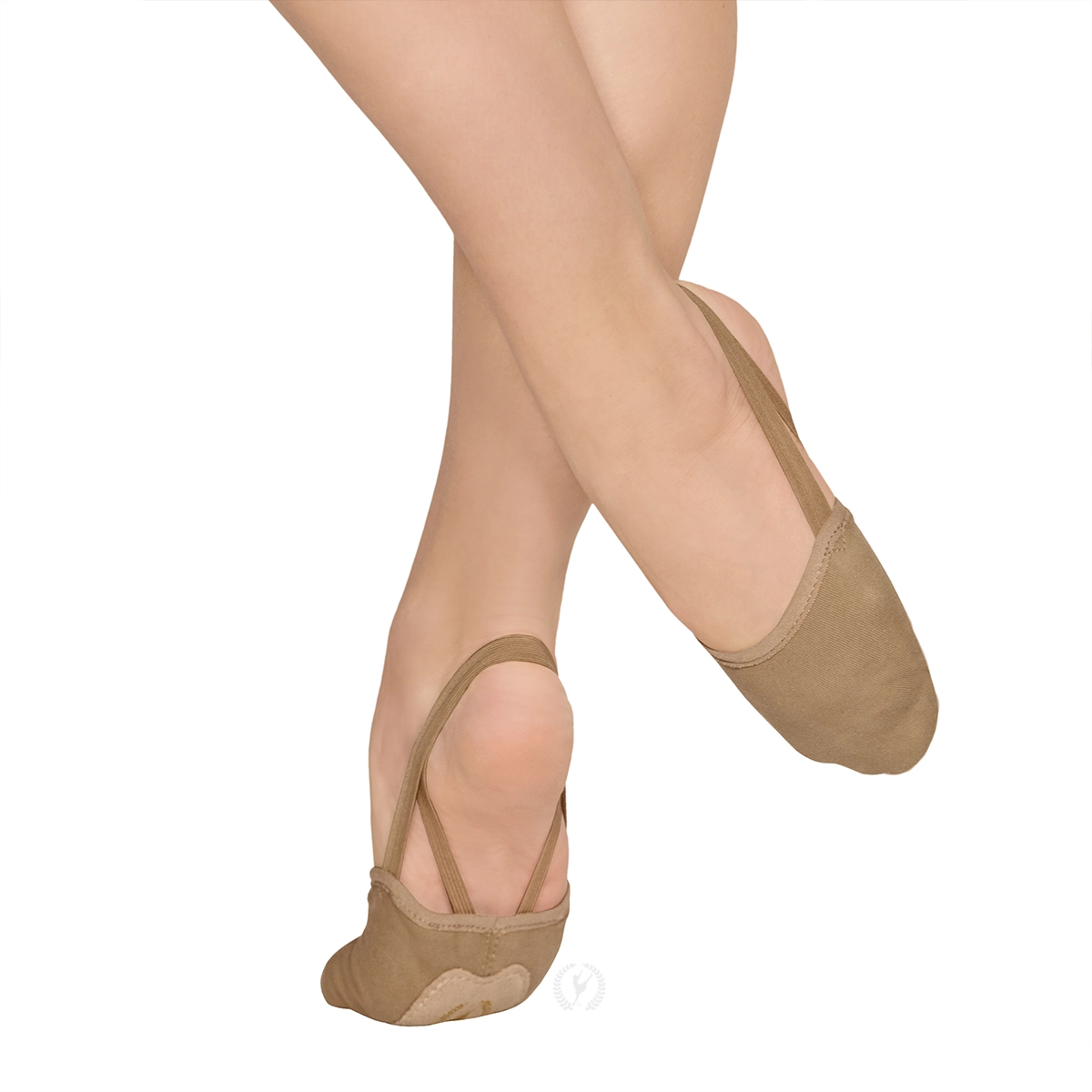
The complaint we hear most about half sole dance shoes isn’t about the sole at all — it’s that the shoe won’t stay put. One strap around the heel lets the whole thing rotate on the foot mid-turn, and suddenly the suede patch is off-center and the dancer is adjusting instead of dancing. The Eurotard Tilt is built to end that: two elastic straps anchor the heel from different angles, and the multiway stretch canvas vamp holds the forefoot the way a wrap holds, not the way a loop dangles.
Underneath, a shock-absorbing suede patch covers the ball of the foot with the classic half-sole trade: smooth enough to glide through turns, grippy enough to push off and stop with confidence. The rest of the foot stays bare — heel, arch, and toes free to flex, point, and feel the floor.
Why do half sole dance shoes twist mid-dance — and why doesn’t the Tilt?
A half sole only touches the floor at the ball of the foot, so everything depends on how it’s anchored behind that point. With one heel strap, there’s a single line of tension, and every turn pulls the patch a few degrees off-center. The Tilt’s two straps create two lines of tension that brace against each other — the shoe can’t rotate without fighting both at once. Add the canvas vamp stretching in every direction to match the forefoot exactly, and the patch stays under the metatarsals where it belongs, from the first eight-count to the last.
What does the suede patch actually do?
Bare skin on a studio floor squeaks, sticks, and burns on repeated turns. Full shoes mute the floor entirely. The suede patch is the middle path: it lets the ball of the foot pivot cleanly through turns while keeping enough traction for traveling steps and controlled stops, and it puts a thin layer of shock absorption between the metatarsals and a hard floor. Skin stays protected; the rest of the foot stays honest.
Who should choose a half sole over a full shoe?
Lyrical, contemporary, and modern dancers who want the look and articulation of bare feet without the floor burn. Teachers often ask for half soles specifically for pieces where a pointed bare foot matters visually but the choreography is heavy on turns. If your dancer’s class calls for “foot undies,” “turners,” or “half soles,” this is that shoe.
How does the Tilt fit into the August Muse lineup?
We carry Apolla Shocks — the compression dance socks — for many of the same contemporary and lyrical dancers, and the honest answer is they solve different problems. The Tilt keeps the foot as bare as possible and anchors a turning patch to it; Apolla covers the whole foot with support, energy absorption, and arch compression. Dancers with foot fatigue or who dance long competition weekends often prefer Apolla; dancers who want maximum bare-foot articulation with just the ball protected pick the Tilt. Plenty of studio bags carry both, and we’re happy to walk you through which fits your dancer’s classes.
Materials & Construction
| Feature | Detail |
|---|---|
| Vamp | Multiway stretch canvas — wraps the forefoot snugly |
| Sole patch | Shock-absorbing suede — smooth turning with non-slip traction |
| Heel | Two elastic straps — anchors the shoe from two angles |
| Pleating | Flattened and elongated — low profile, fits a wide range of foot shapes and widths |
| Coverage | Half sole — heel, arch, and toes stay bare |
| SKU | A1062 |
| Available colors at August Muse | Light Tan, Tan, Mocha, Bronze |
Care Instructions
| Step | Instruction |
|---|---|
| Everyday care | Air out after class; spot clean the canvas with a damp cloth and mild soap |
| Deeper cleaning | Hand wash in cold water if needed; reshape while damp |
| Drying | Air dry away from direct heat and sunlight |
| Suede patch | Keep dry; brush lightly to restore the nap and keep turns consistent |
| Do not | Machine wash, tumble dry, bleach, or iron |
Sizing Guide — Eurotard Tilt Half Soles
The Tilt runs in five sizes based on street shoe size, and one chart covers everyone — the XS reaches down to a women’s 1, so younger dancers fit here too. Because each size spans a range, a dancer at the edge of a range should try both; the canvas stretch is forgiving, but the patch needs to sit squarely under the ball of the foot.
| Size | Women’s street shoe (US) | Men’s street shoe (US) |
|---|---|---|
| XS | 1–3 | 13–1 |
| S | 3.5–5.5 | 1.5–3.5 |
| M | 6–8 | 4–6 |
| L | 8.5–10.5 | 6.5–8.5 |
| XL | 11–13 | 9–11 |
This chart is a guide only — dance shoes are not sized like street shoes, and half soles depend on the patch sitting exactly under the ball of the foot. An in-store fitting at August Muse takes the guesswork out, especially for dancers at the edge of a size range.
Best For
- Lyrical, contemporary, and modern classes and competition pieces
- Dancers whose current half soles rotate or slide mid-routine
- Choreography that mixes turns with barefoot articulation
- Protecting the ball of the foot from floor burn on repeated turns
- Matching a skin-tone shoe to the foot for a bare, seamless look
We stock the Tilt in the full skin-tone range — Light Tan, Tan, Mocha, and Bronze — so the shoe disappears against the foot on stage.